Licensing software effectively is crucial in today’s digital landscape, especially with the release of Windows 11. As organizations and individuals navigate this new operating system, understanding the role of a windows 11 activator is vital. This article explores key aspects of licensing Windows 11 while emphasizing compliance and efficiency.
Understanding the Windows 11 Activator
The windows 11 activator serves as a tool to enable and verify your system’s OS license. It functions by interacting with system files to validate that you have an authentic product key. This process ensures users can access all features without interruptions. Without proper activation, users may encounter restricted access to certain features or limitations that could hinder productivity. Therefore, understanding this tool is not just about functionality but also about maximizing the potential of the operating system.
How Activators Work
Activators typically manipulate the system registry or utilize other methods to mimic a legitimate activation process. Tools like KMS (Key Management Service) are designed to streamline this activation for volume-licensed environments instead of individual systems. It is important to note that while these tools can be effective, they must be used responsibly and ethically to avoid any legal repercussions.
Activation tools have evolved significantly over the years, adapting to the changing needs of users and organizations alike. They not only simplify the activation process but also provide a means for IT departments to manage licenses more efficiently across diverse environments. Given the importance of maintaining valid licenses, these tools play a critical role in ensuring that systems remain compliant with licensing agreements.
Types of Activation Methods
There are multiple ways to activate Windows 11, and choosing the right one depends on your licensing agreement and needs. Manual activation using a product key is one method, but more automated solutions like KMS activate large-scale deployments efficiently. The choice between manual and automated methods often depends on organizational size, budget considerations, and IT infrastructure capabilities.
KMS and its Applications
The use of KMS allows organizations to maintain their systems’ licenses without needing constant internet connectivity. It operates through a local network server setup, making it ideal for offices with numerous devices needing activation. Additionally, KMS provides a centralized solution that simplifies license management across various departments, ensuring consistency and compliance throughout the organization.
Benefits of Using KMS
- Reduces repetitive manual activations.
- Streamlines license management across multiple systems.
- Ensures compliance with corporate software policies.
- Minimizes downtime associated with individual license renewals.
- Facilitates easy scaling as organizational needs grow or change over time.
KMS not only offers practical benefits but also aligns with strategic objectives such as cost reduction and operational efficiency. By reducing administrative overheads associated with license management, organizations can allocate resources more effectively towards innovation and growth initiatives. Furthermore, KMS’s scalability ensures that as businesses expand or restructure, their licensing framework remains robust and adaptable.
Common Tools for Activation
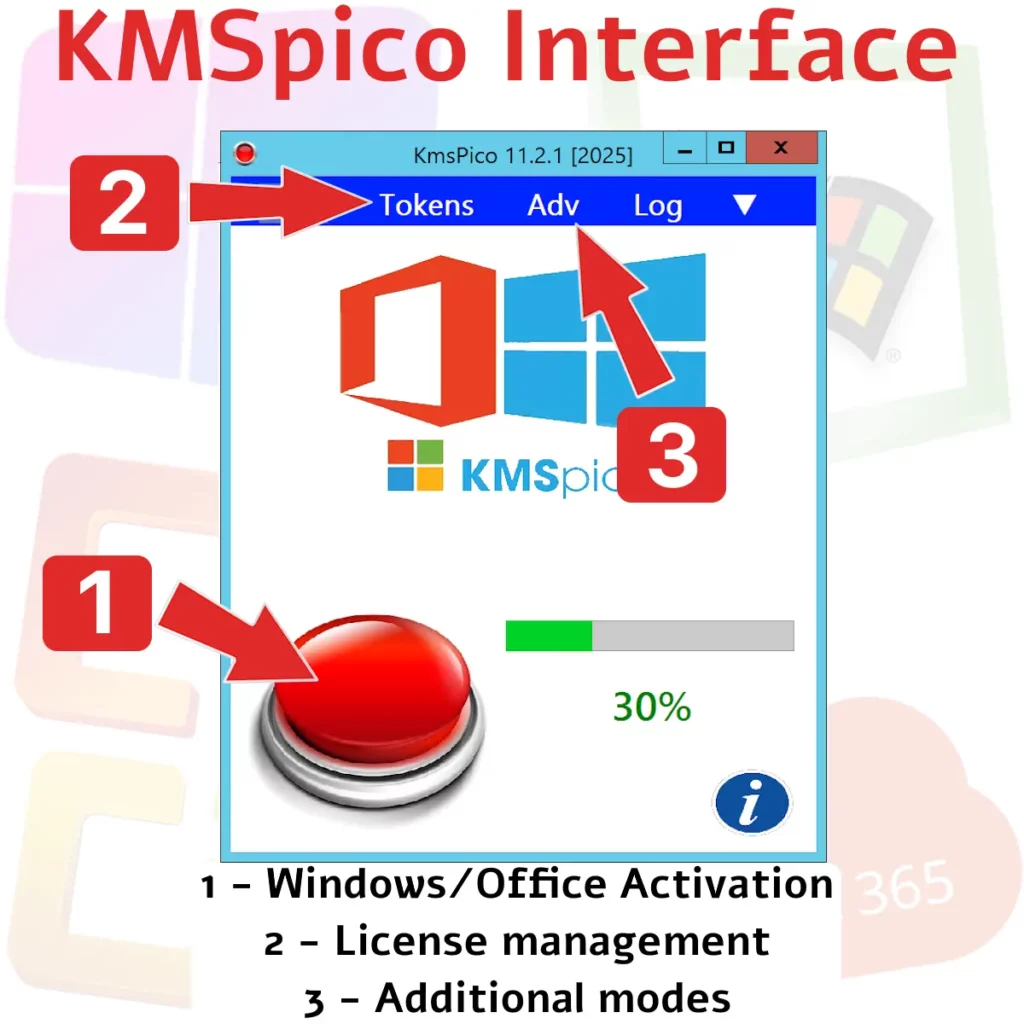
A popular choice among users is the download kmspico tool, widely known for its efficacy in dealing with not just the OS but also when users need to activate Office with KMS solutions. It’s essential to ensure any activation tool used aligns with legal guidelines. KMSpico offers a user-friendly interface that simplifies what can otherwise be a complex process, making it accessible even to those who may not have extensive technical knowledge.
Why Choose KMSpico?
KMSpico stands out due to its ease of use and reliability. It covers various Microsoft products efficiently, leading many corporations to consider it during mass installations or when upgrading from older systems like Windows 10 activator download methods. Its ability to support multiple versions of Microsoft products adds flexibility for organizations planning phased upgrades or mixed-environment deployments.
The versatility of KMSpico makes it an attractive option for both small businesses and large enterprises seeking streamlined activation processes. By providing consistent performance across different setups, it helps ensure that software environments remain stable and fully functional post-activation. This reliability is crucial in maintaining business operations without unexpected disruptions caused by licensing issues.
Navigating Legalities and Compliance
The use of activators brings legal considerations. A proper understanding ensures organizations avoid counterfeiting issues and maintain genuine validation status with Microsoft. Always consult legal advisories before employing these tools publicly. Non-compliance can lead to significant financial penalties or restrictions from accessing future updates and support from Microsoft.
The Importance of Genuine Validation
Genuine validation not only maintains product integrity but also provides access to essential updates and security patches directly from Microsoft. This ensures your system’s security remains uncompromised over time. Keeping your software legitimately activated safeguards against vulnerabilities that could be exploited by malicious entities targeting unlicensed software environments.
Compliance Challenges
- Understanding regional licensing laws.
- Avoiding tools that compromise security.
- Keeping audit trails accurate and up-to-date.
- Navigating international compliance frameworks for multinational operations.
- Educating employees on software policy adherence to prevent inadvertent violations.
Addressing compliance challenges requires a proactive approach involving regular audits and employee training programs focused on best practices in software usage and management. By fostering a culture of awareness regarding licensing obligations, organizations can mitigate risks associated with non-compliance while optimizing their software investments effectively over time.
Troubleshooting Activation Issues
If problems arise during activation, tools like DISM (Deployment Image Servicing and Management) can be handy in diagnosing issues related to licensing components within the OS environment. Regular audits can preemptively identify potential pitfalls before they escalate. Establishing a routine check-up schedule helps maintain system integrity and avoids unexpected disruptions in service availability.
Troubleshooting Common Problems with Windows 11 Activator
A failure in communication with servers or incorrect product keys often leads to unsuccessful activations using windows 11 activator tools. Staying updated with license manager software helps monitor these issues seamlessly. Implementing robust tracking mechanisms ensures that potential issues are flagged early, allowing IT teams to address them swiftly before they impact end-users significantly.
Lab Environment Constraints
- A standard VM setup might include 2 vCPU / 4 GB RAM for optimal performance testing of activators in contained environments.
- Snapshots should be timed carefully before major updates or runs when testing a windows 11 activator’s impact on system stability.
- Create controlled scenarios to assess how different configurations respond under load conditions typical in real-world applications.
- Use baseline metrics for comparison post-activation tests ensuring no degradation in performance post-implementation.
The systematic approach towards troubleshooting ensures minimal disruption during deployment phases while enhancing overall user satisfaction through reliable service delivery post-activation efforts within organizational settings worldwide today!
The Future of Windows Licensing
As technological advancements continue, so will the methods for managing licenses effectively. Adapting to new tools like windows 11 activator applications and maintaining strict adherence to legal frameworks will remain integral for organizations leveraging Microsoft products in their ecosystems. Keeping abreast of emerging trends prepares businesses for seamless transitions as licensing models evolve alongside technological innovations.
Innovations on the Horizon
The rise in cloud-based licensing models suggests an evolving landscape where traditional activators may be complemented by fully digital solutions that enhance operational efficiency while reducing administrative overheads significantly. These new models promise greater flexibility, allowing businesses to adapt quickly without extensive reconfiguration or investment in additional infrastructure resources.
This comprehensive approach to understanding a windows 11 activator ensures informed decisions that align with both functional needs and compliance standards, preparing users for seamless transitions as technology evolves further. By embracing these strategies and remaining vigilant about industry changes, organizations can maintain competitive edges while ensuring their software environments are both efficient and compliant with prevailing regulations at all times.